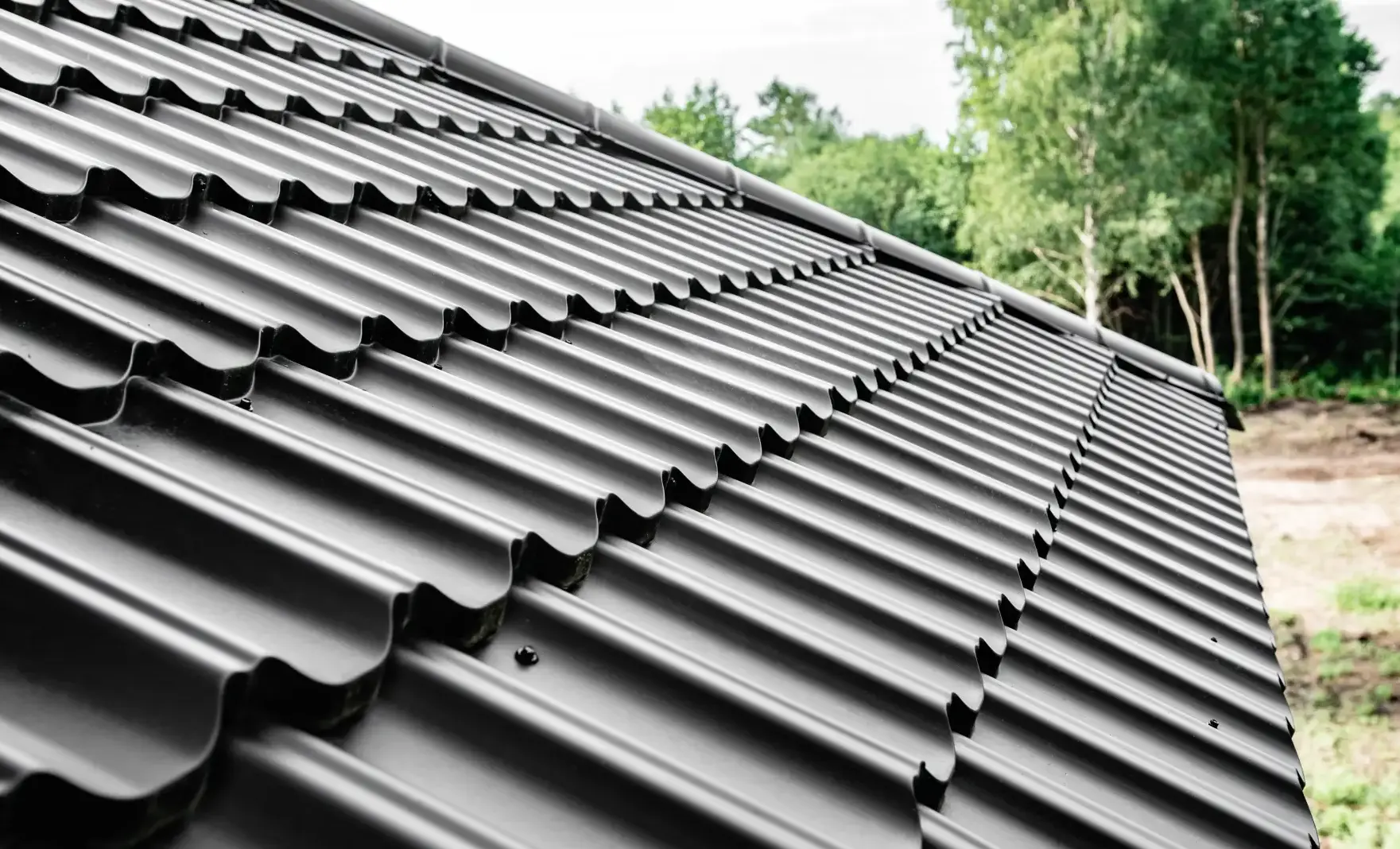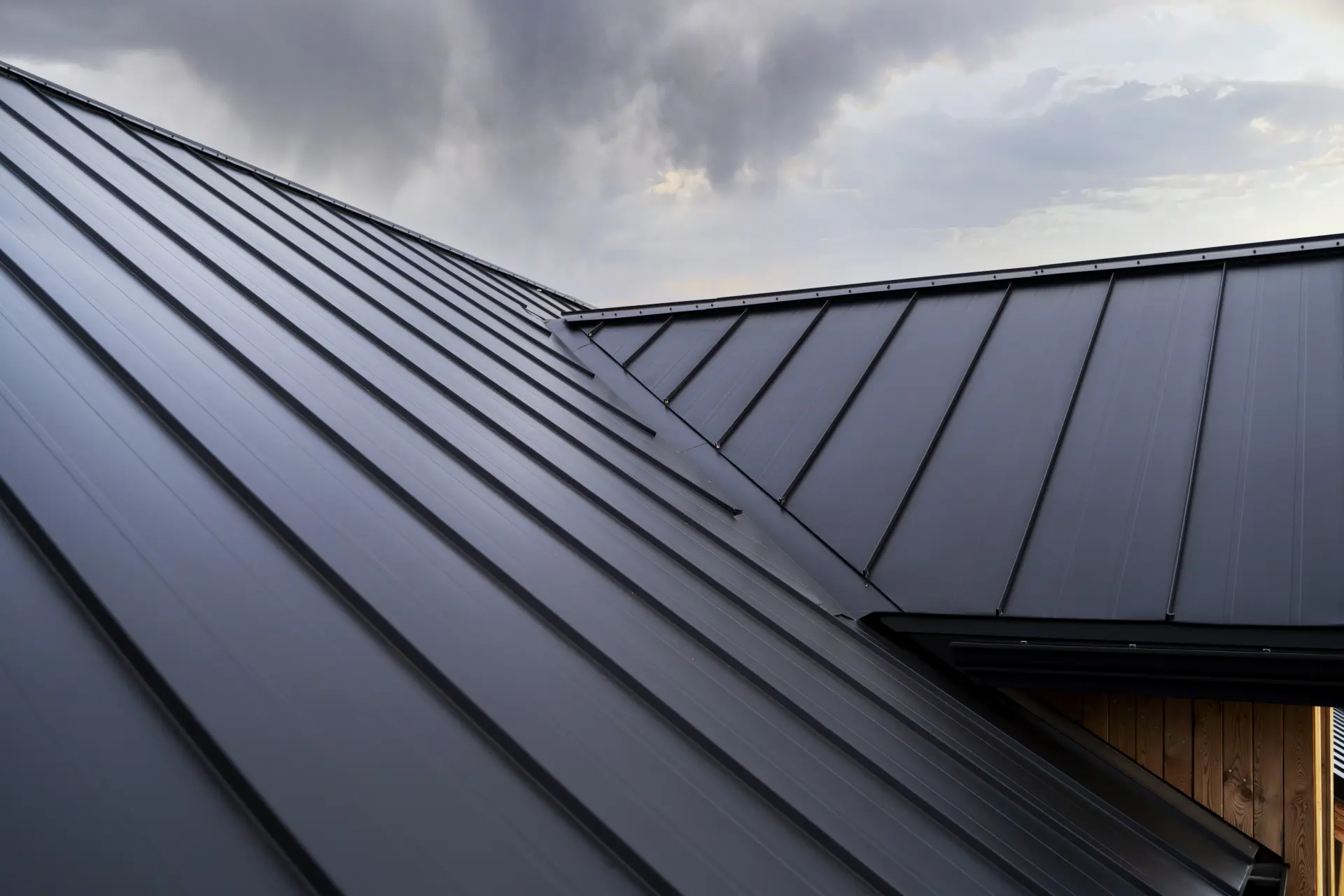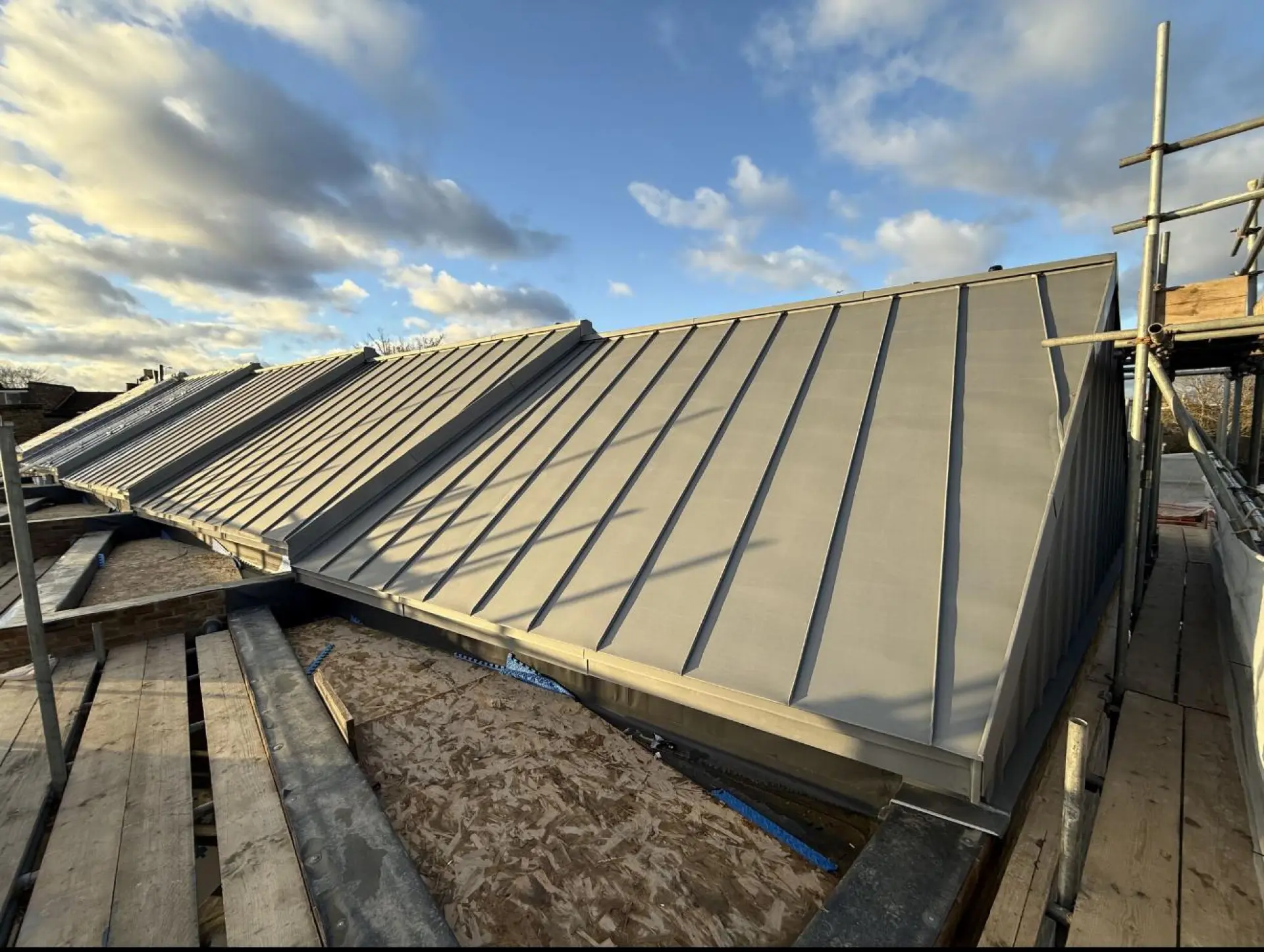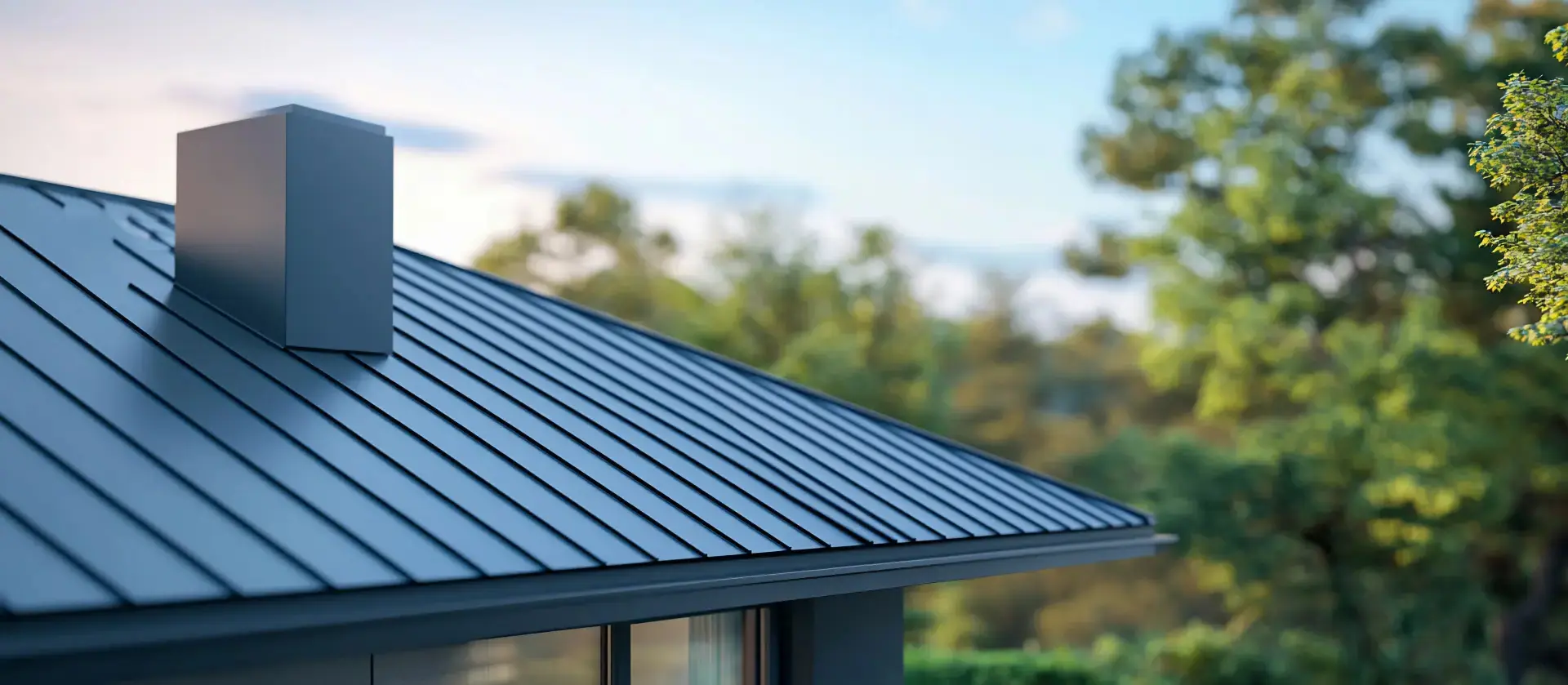
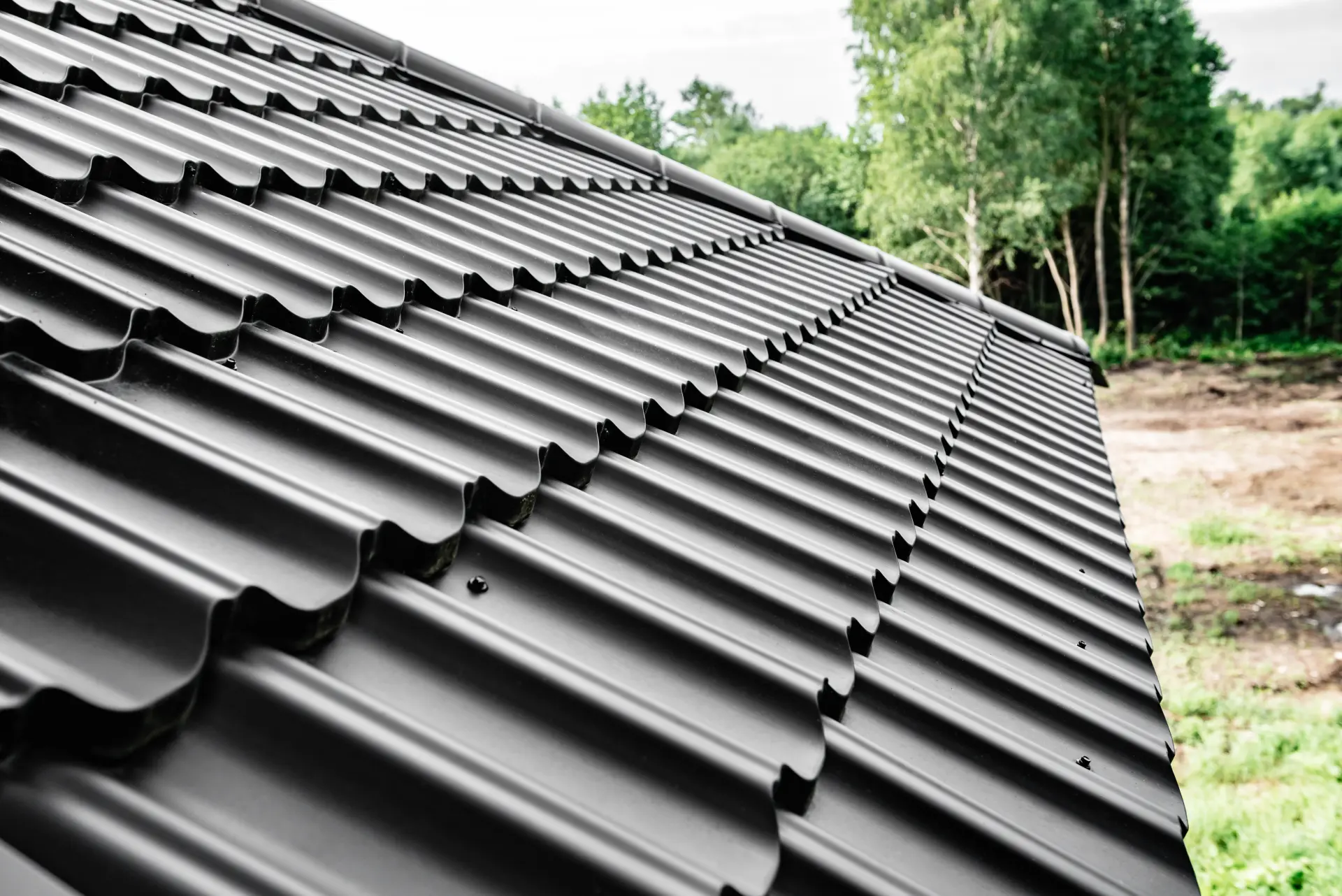
A metal roof is a popular choice for commercial buildings because it is strong, long lasting, and can protect a building for decades. The exact time a metal roof last depends on the metal type, the roofing system design, the installation work, and how well it is looked after. This guide explains the average lifespan of commercial metal roofs and the most important factors that help metal roofs last longer.
Average Lifespan of a Commercial Metal Roof
In the UK, a commercial metal roof often lasts around 50 to 70 years. Some high quality metal roofing systems can last even longer when they are fitted well and cared for over the years. The roof lifespan will be shorter if the roof is exposed to harsh weather conditions, if water sits on the surface, or if repairs are ignored.
The main roofing materials used for metal roofing include steel, aluminium, zinc, and copper. Coated or galvanised steel is common on commercial roofs because it offers a good balance of cost and durability. Steel roofs often reach around 40 to 50 years, while aluminium, zinc, and copper can often reach 60 to 70 years because they resist corrosion more naturally.
Types of Metal and How They Affect Roof Life
The type of metal you choose has a big effect on roof life. Galvanised steel is strong and suited to many buildings, but it needs good protective coatings and regular maintenance to reduce rust and corrosion. Aluminium is often used in coastal areas because it handles salty air better than many other materials. Zinc and copper are well known for lasting a long time, and they can develop a natural surface layer that adds extra protection.
It also matters if the metal is bare or finished. Painted finishes and specialist coatings can improve durability, reduce corrosion, and help the roof keep a good appearance for longer. If you are comparing options, ask your roofing contractor what finish is best for your building and your local exposure to rain, wind, and pollution.
Why Installation Quality Matters
Even the most durable metal roofing material can fail early if the installation is poor. When a commercial metal roof is installed, the sheets, fixings, flashings, and joins all need to work together as one roofing system. If panels are not fitted correctly, small gaps can form and let water in. Over time, this can lead to leaks, trapped moisture, and hidden damage.
Using experienced contractors is essential. A good roofing company will follow the maker’s guidance, use the correct fixings, and plan details like edges, corners, and roof openings carefully. This planning makes the whole metal roofing system more effective and helps it last longer.
Roof Design, Drainage, and Gutters
Roof design is often overlooked, but it is very important for longevity. Water should move off the roof quickly. If the roof has low areas where water pools, moisture can break down coatings and speed up corrosion. Over a long term period, standing water can also find weak points and cause leaks.
Gutters and drainage areas play a big role too. If gutters are blocked, water can overflow and run back onto the roof or into the building. Regularly checking gutters, outlets, and downpipes helps prevent water damage and protects the whole roofing system. This is especially important in autumn and winter when leaves and debris build up faster.
Weather Conditions and Exposure Over Time
Metal roofs are known for durability, but weather conditions still affect how long they last. Heavy rain, strong winds, hail, and freezing and thawing can all add stress to the roof over the years. Wind can also lift panels or loosen fixings if the roof is not designed and installed to handle local wind levels.
Coastal air can speed up corrosion because of salt. Industrial areas and busy cities can also cause faster wear due to pollution and acidic rain. In these areas, choosing the right material, using protective coatings, and keeping up with care and inspections can make a big difference to the roof lifespan.
Corrosion, Rust, and Common Causes of Damage
Rust and corrosion are among the biggest issues for commercial metal roofs, especially on steel. Corrosion often starts where the metal is scratched, where fixings fail, or where water sits for too long. It can also happen around roof edges, seams, and areas near vents and skylights.
Damage can also come from foot traffic. If people walk on the roof during repairs or checks, the surface can be dented or scratched. Over time, small marks can turn into weak points. If the roof is exposed to falling branches, loose debris, or nearby construction work, it is also more likely to suffer dents and surface damage.
Regular Maintenance and Regular Inspections
Regular maintenance is one of the most reliable ways to extend the life of metal roofs. A simple routine helps you find issues early, before they lead to bigger repairs or early replacement. Regular inspections are also important after storms, especially if you have had strong wind or heavy rain.
Inspections usually include checking the panel condition, seams, flashings, fixings, and areas around roof openings. They also check for signs of corrosion, loose parts, and early leaks. Small repairs completed at the right time can help a roof last longer and reduce costs over the long term.
Cleaning matters as well. Debris such as leaves, moss, and dirt can hold moisture against the roof. Over time, this increases the risk of corrosion and water damage. A gentle clean helps the roof stay in good condition, but it should be done in a way that does not damage the protective finish.
Repairs, Replacement, and When Parts Need to Be Replaced
Commercial roofing does not always need full replacement when a problem appears. Many issues can be addressed with repairs, replacement of damaged sheets, or resealing around weak areas. A fast response is important because leaks can lead to insulation damage and water entering the building.
Some parts may need to be replaced sooner than the main roof surface. Fixings, seals, and flashings can wear out over time. If these are ignored, they can lead to recurring leaks even when the metal panels are still in good shape. A roofing contractor can advise whether a repair, partial replacement, or a full roofing solutions plan is the best choice for your building and budget.
Energy Efficiency and Other Benefits Over the Long Term
Metal roofing can support energy efficiency when it is designed well. Reflective finishes can help reduce heat build-up in summer, which may lower cooling needs for some commercial buildings. Good insulation beneath the metal roofing system can also improve comfort and reduce energy loss during colder months.
Metal roofs also offer strong protection against fire compared with many other roofing materials. Fire resistance is often a key reason businesses choose commercial metal roofing, especially where safety and insurance needs matter.
Costs, Value, and Planning for the Future
Costs vary based on the type of metal, roof size, design features, and the complexity of installation. While the upfront cost can be higher than some other options, metal roofing is often seen as a good long term choice because it can last for decades with the right care. When planning a project, it helps to look at the full roof lifespan, not just the first installation price.
Budget planning should include routine inspections, cleaning, and small repairs over time. This approach can improve effectiveness, reduce surprise issues, and support longer service life.
Choosing the Right Roofing Contractor
The team you choose matters as much as the materials. A reliable roofing company should be able to explain the best type of metal for your building, how the roofing systems will be installed, and what maintenance the roof will require. They should also help you understand warranties and what is covered.
It is sensible to check previous work, ask questions about experience with commercial roofing, and make sure the contractors understand local weather conditions. If you need more information, you can contact a suitable roofing contractor by email and ask for examples of similar commercial buildings they have worked on.
Frequently Asked Questions About Commercial Metal Roofs
Many people ask, “How long does a metal roof last compared with other commercial roofs?” In most cases, a metal roof last longer than many common alternatives, mainly because metal is durable and can handle years of exposure when maintained well.
Another common question is, “Do metal roofs require a lot of work?” They do require regular maintenance, but it is usually straightforward. Regular inspections, keeping gutters clear, removing debris, and dealing with small damage early can extend roof life and help you avoid major repairs.
A final question is, “What is the average lifespan if the roof is near the coast?” In coastal areas, the average lifespan depends heavily on material choice and coatings. Aluminium and well protected systems often perform better in salty air, and careful maintenance helps protect the roof from corrosion.
How Long Does Commercial Metal Roof Last: Key Takeaway
A well installed metal roofing system on a commercial building can provide strong protection for 50 years or more, and some systems can last for decades beyond that.
The best results come from choosing the right type of metal, ensuring correct installation, keeping water moving off the roof through good design and gutters, and committing to regular inspections and regular maintenance over time.
Our commercial metal roof installations in Camden, Greenwich, Hackney and London are guaranteed to be durable, long-lasting and tailored to your building’s needs. Our experts use high-quality materials and deliver reliable, cost-effective roofs that can protect your business for decades.