The Longevity of Zinc Roofs
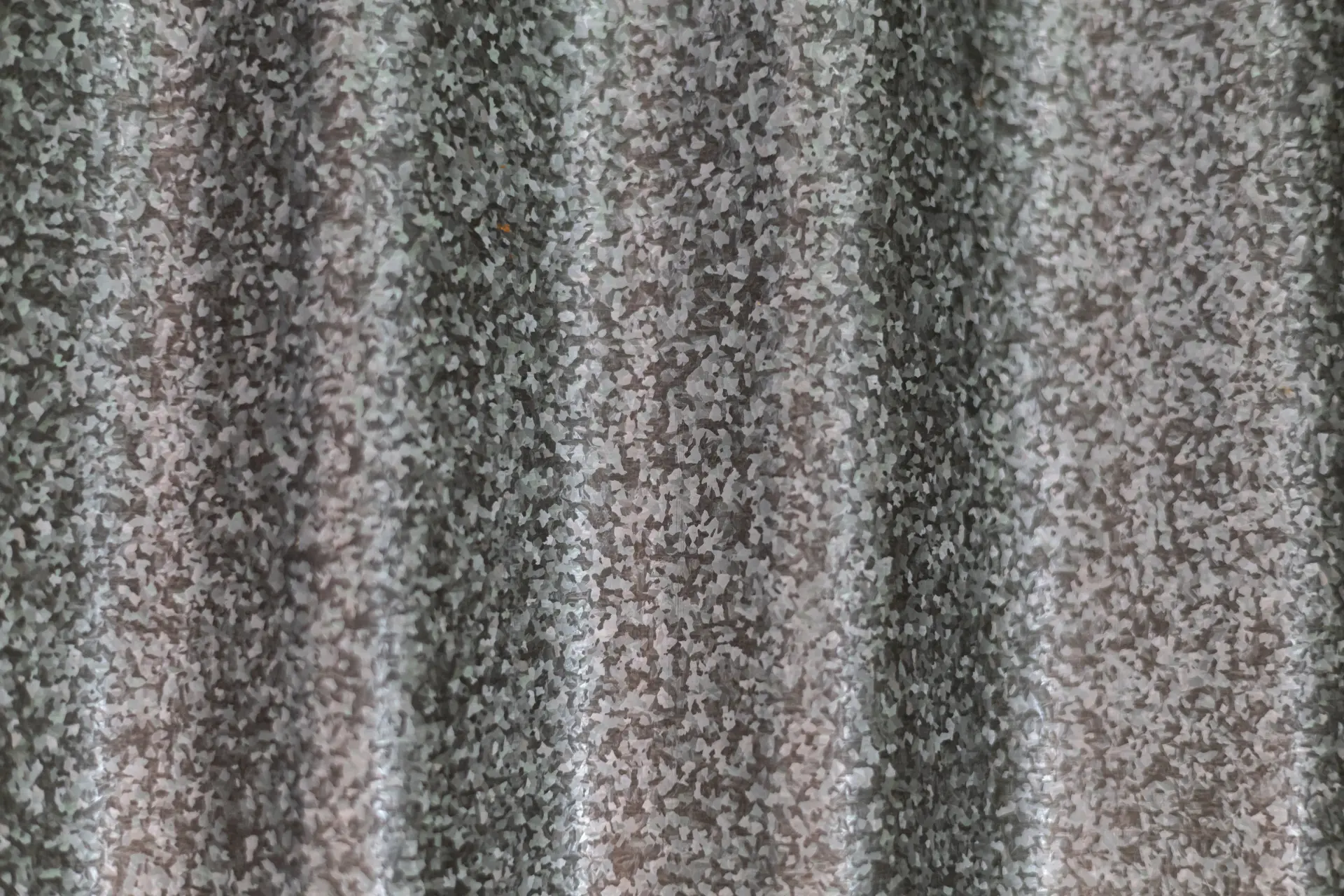
Zinc roofing has a strong reputation for lasting far longer than many other roof materials. With correct design and skilled fitting, a zinc roof can protect a home for 60 to 100 years without major work. The metal forms a natural patina that seals the surface and fights rust and corrosion. Small scratches often fade as the patina reforms, keeping the roof neat.
Because zinc panels are light yet strong, they put less strain on rafters and fixings. Routine checks and clear gutters help the roof stay healthy. For a family that plans to settle for decades, that long life means fewer replacements, fewer headaches, and steadier value. Warranty options further support confidence for households planning long stays and budgets.
Low Maintenance and Long-Term Savings
Zinc roofs suit people who want reliable performance with little fuss. After installation, care is simple. Clear leaves and debris from gutters. Check seams, clips, and flashings after heavy weather. Keep nearby branches trimmed so they do not scrape the surface. The patina protects the metal, so coatings and paints are rarely required, which saves time and money.
Across years, those small tasks keep issues away and reduce callouts. You also save on scaffold, labour, and replacement parts compared with many roofs that need more frequent work.
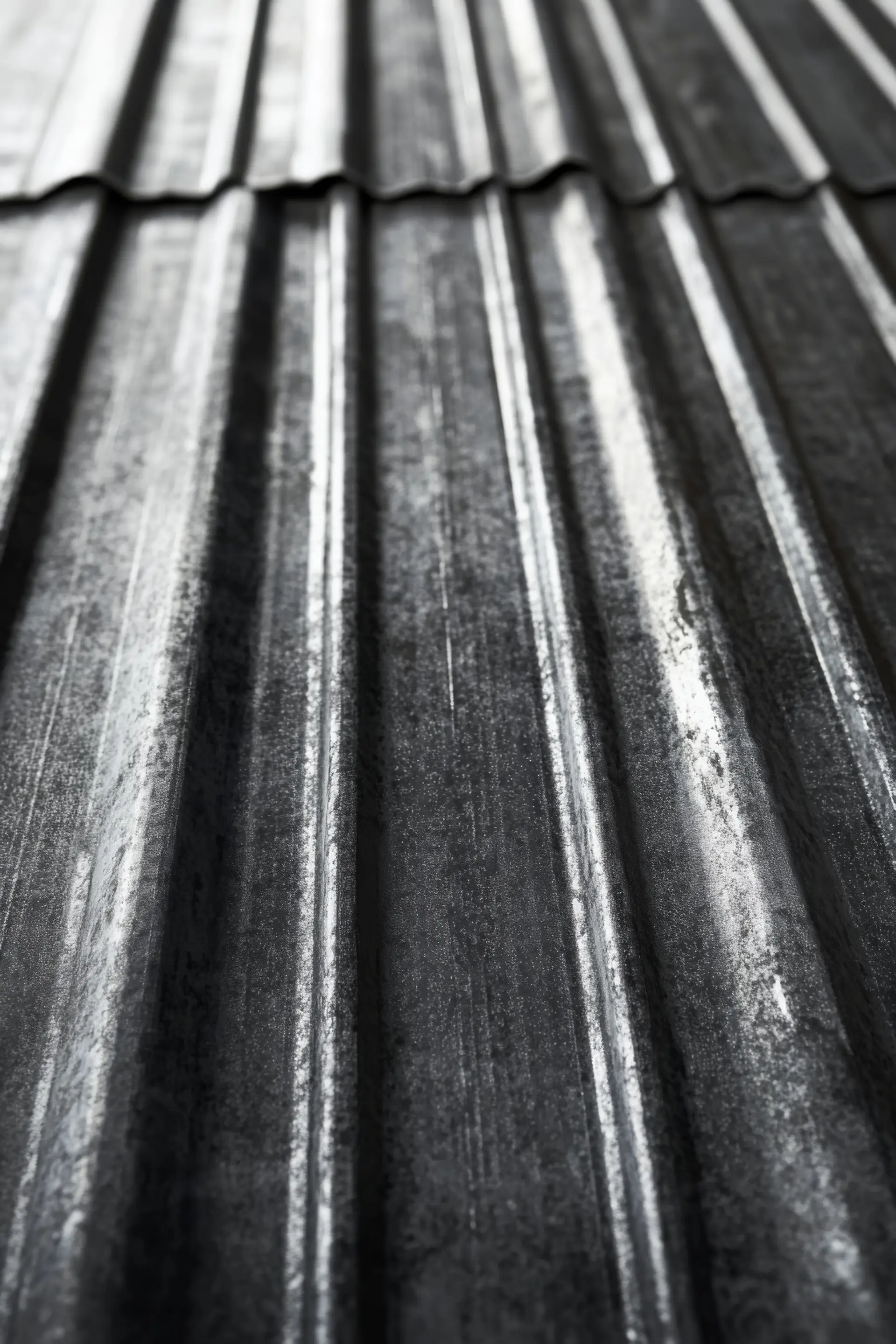
Because zinc sheets are designed to move, they resist cracking at joints. When problems do appear, repairs are usually local and quick, not full strip and replace jobs. A small section can be refixed or resealed to restore a tight envelope. Spread over decades, the combined savings are clear. You spend far less on upkeep while the roof continues to perform, which is the heart of long term value.
Many suppliers offer long warranties when systems are fitted by approved crews, which reduces risk over time. Homeowners can plan a simple yearly check to spot issues early. Because the surface is self healing, light marks usually blend in, so cosmetic work is minimal. Avoid harsh chemical cleaners and pressure washing, and the patina will continue to protect the roof naturally. All these points feed into the long term budget. Instead of frequent small bills and the odd big shock, you are more likely to see modest costs that are easy to plan for.
Energy Efficiency and Environmental Benefits
A zinc roof helps manage heat. It reflects sunlight in summer and helps retain warmth in winter, which can lower energy use. Many systems pair well with high grade insulation and solar panels for further gains. The metal is fully recyclable at the end of its life, and offcuts from fitting can be reused. Because zinc lasts for decades, fewer replacements are needed, so there is less waste and less impact from making new materials.
Rainwater runoff from unpainted zinc is generally clean when installed with the right layers, which supports safe collection for gardens. Together, these factors point to a roof that supports comfort, reduces bills, and respects the environment. This supports greener living and lowers a home’s footprint.
Durability in All Weather Conditions
The British climate brings wind, rain, frost, hot spells, and sea air. Zinc resists them all when installed to the manufacturer’s guidance. It does not rust like many steels and is less brittle in cold conditions. The protective patina shields the surface from corrosion, even in coastal zones. In storms, well fixed seams, clips, and flashings hold sheets secure and keep water out. The metal also copes with thermal movement. It expands on hot days and contracts in the cold, and modern systems allow for this without stress. Fire safety is another strength, since zinc is non combustible. Hail marks often fade as the patina reforms. Snow slides off standing seam profiles, which helps avoid heavy build ups.
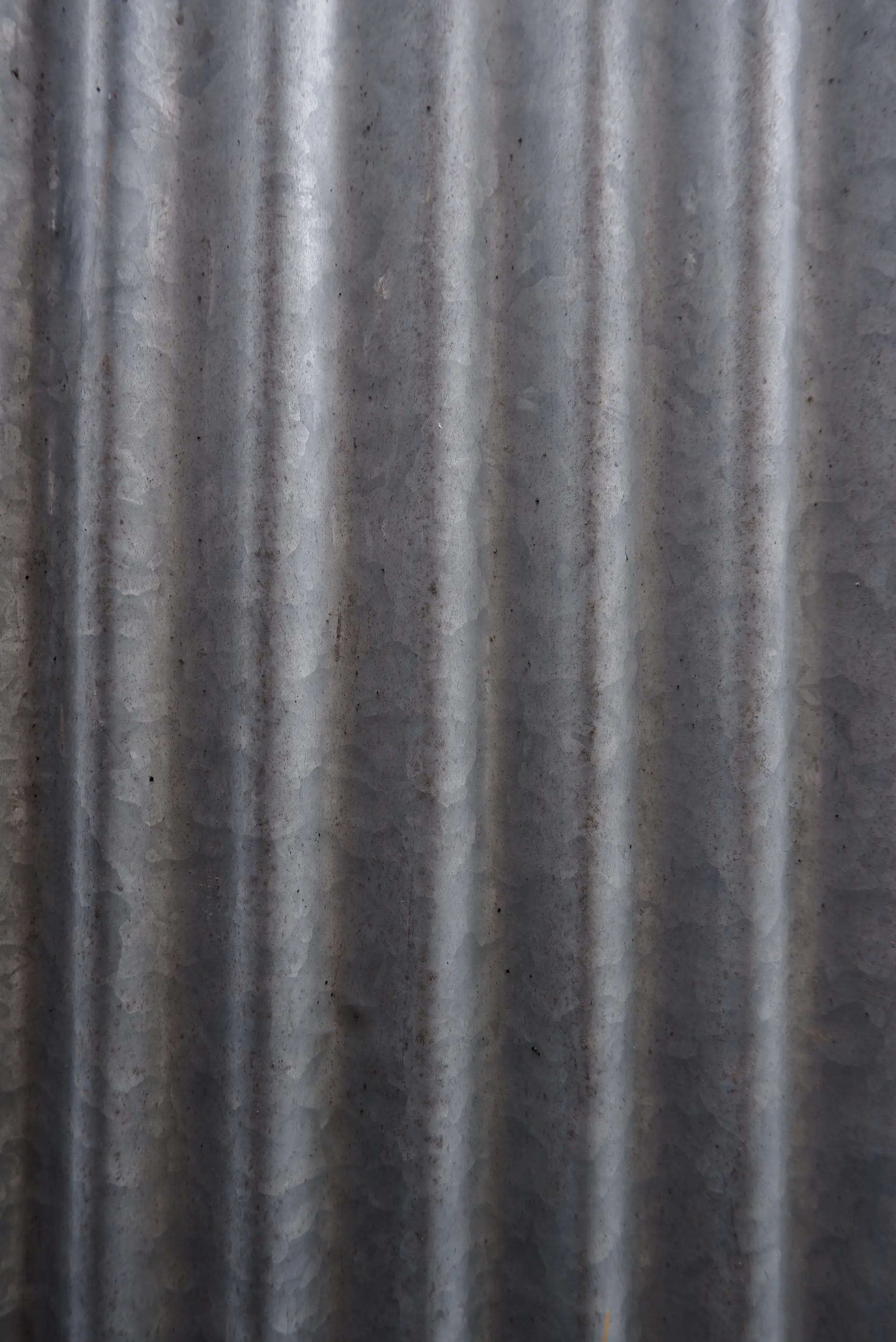
With trained installers, the right underlay, and good ventilation, a zinc roof stays stable all year. From gusty squalls to bright sun, it keeps delivering dependable protection. Good acoustics are another plus. With the correct build up beneath, such as plywood deck, underlay, and insulation, rainfall noise is well controlled.
In coastal and urban areas, zinc’s patina stands up to salt and pollution when details follow the supplier’s rules. Designed gutters move water away quickly, cutting the chance of standing pools and staining. Proper ventilation below the sheets helps manage condensation, protecting timbers and insulation layers. Quality of installation matters, so choose professionals that understand setting out, allowance for movement, and fixings. When these best practices are followed, the roof delivers service through years of weather swings without losing its clean look.
Cost Versus Value Over Time
The upfront price of zinc can be higher than felt, basic tiles, or some steels. But the long view tells a different story. Because the roof lasts for decades and needs little upkeep, you pay for fewer repairs and fewer replacements. Better energy performance and strong resale appeal add to the return.
When you spread the total cost across its lifespan, the yearly figure often compares well with cheaper options that need constant attention. In many cases, homeowners find that zinc offers a fair balance of price and performance. It is a sensible long term purchase that protects the building, manages bills, and holds its looks, which is the essence of good value. This balance is why architects recommend zinc.
For expert zinc roofing services, Riverside Metal Roofing provides trusted installations, repairs, and maintenance across London. Get in touch with our specialists today to discuss your project and receive tailored solutions that combine durability, style, and long-term performance.