The Rise of Copper in Contemporary Architecture
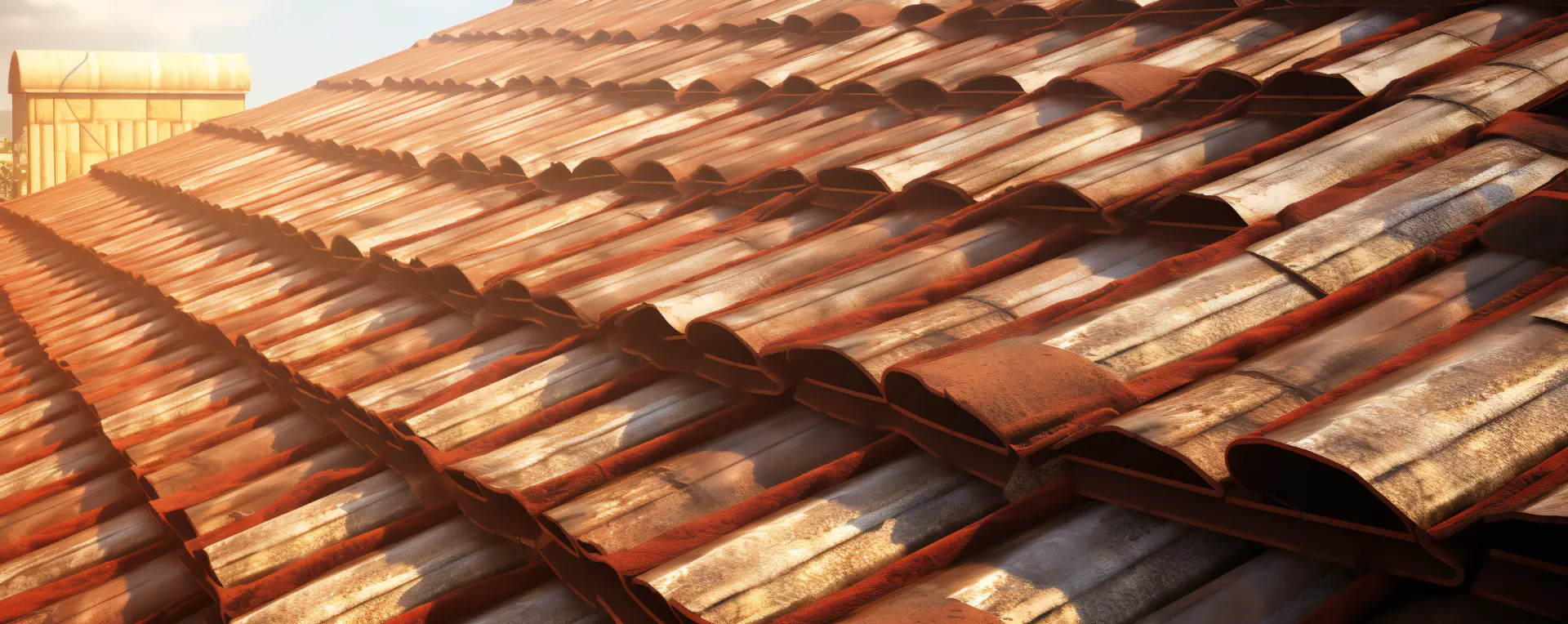
Copper is no longer a niche accent; it’s a defining material in contemporary architecture. Designers value its luminous warmth, malleability, and capacity to evolve, shifting from bright penny tones to protective verdigris. That living surface tells a story of place, weather, and time, which resonates with clients seeking depth over gloss.
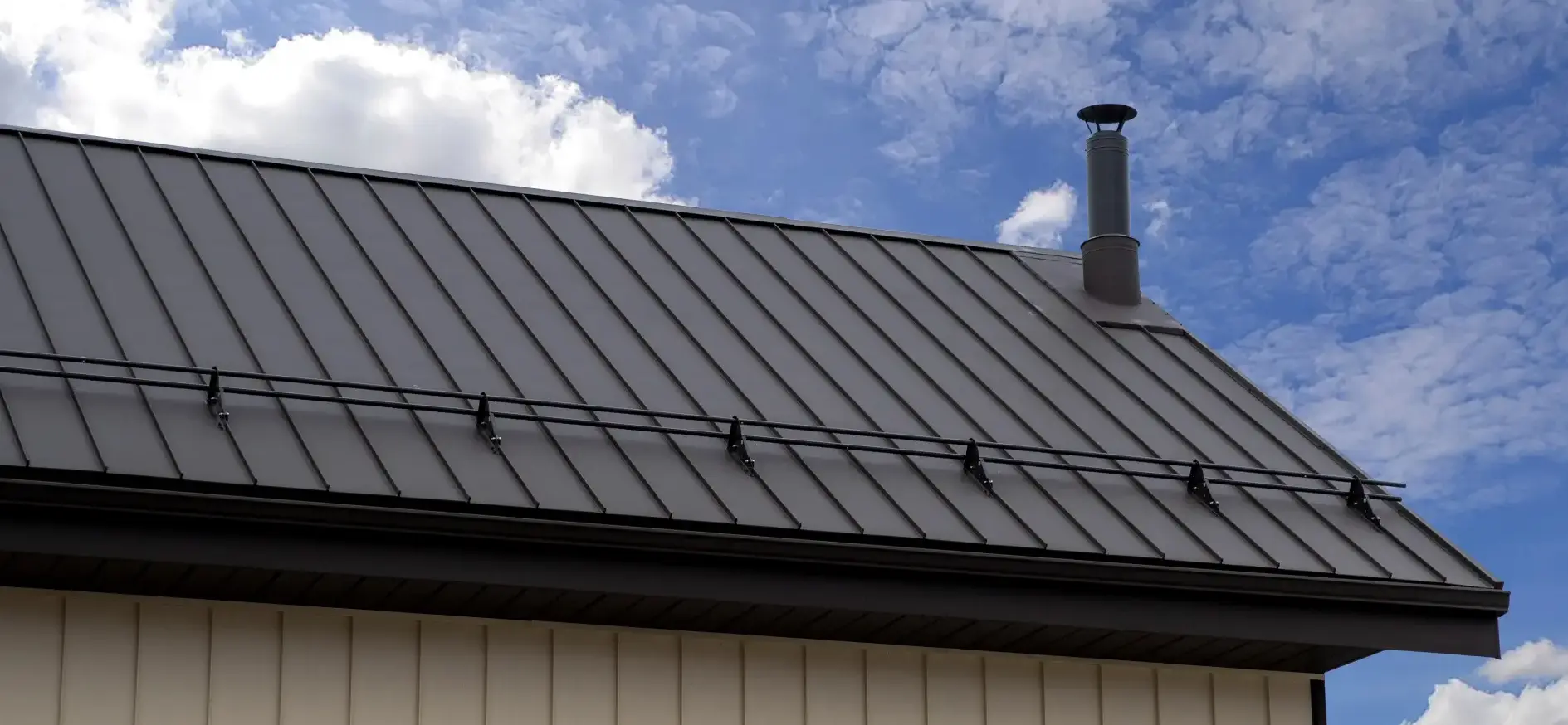
Current projects leverage copper for bold forms and crisp detailing without sacrificing performance. Standing-seam systems deliver sleek lines across complex geometries, while engineered alloys resist staining and corrosion. With responsible sourcing and recyclability, copper aligns with sustainability frameworks and whole-life carbon goals. From minimalist pavilions to urban infill, copper roofs frame silhouettes, refract daylight, and anchor modern compositions with tactile authenticity. It photographs beautifully, too, enhancing client presentations immensely.
Blending Traditional Style with Modern Design
Copper’s charisma lies in its ability to bridge eras. Architects use it to reinterpret gables, dormers, and cornices with razor-clean seams, knife-edge eaves, and concealed fixings that read as resolutely modern. The result is a dialogue: familiar silhouettes executed with contemporary precision.
Heritage settings benefit because copper can sit comfortably beside brick, stone, slate, or timber without mimicry. Subtle patination softens outlines and reduces visual bulk, allowing additions to feel intentional rather than imposed. Where planning authorities demand sensitivity, warm metallic tonality becomes a respectful mediator between old and new.
Inside-out continuity is another trend. Designers carry copper’s language from the roof over soffits and into entry canopies, rain chains, and finely perforated screens. These controlled repetitions organise elevations and create legible wayfinding without signage overload.
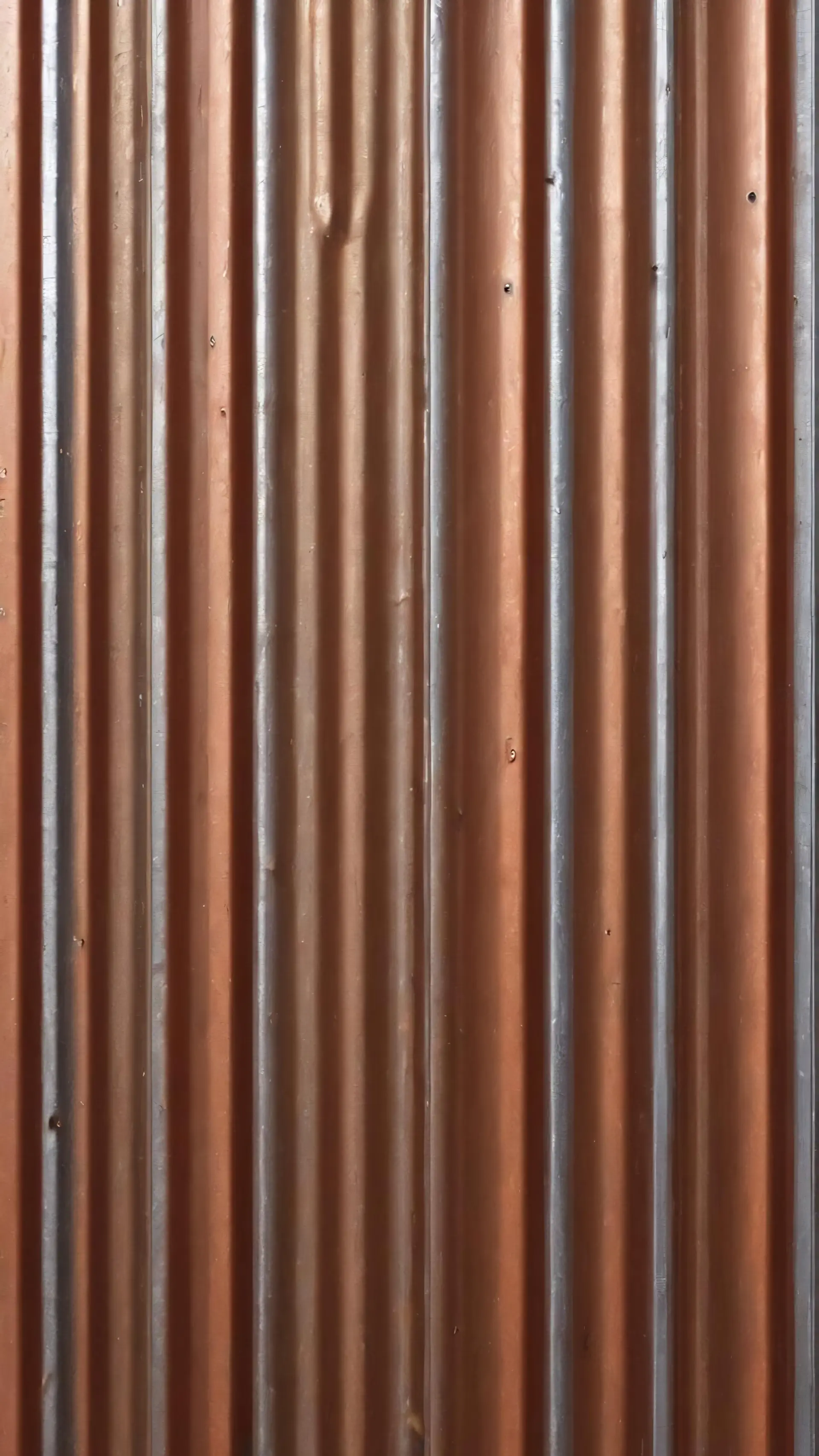
Performance details underpin the aesthetics. Ventilated build-ups reduce interstitial condensation, while breathable membranes and thermally broken clips limit cold bridging. Prefabricated flashing kits simplify junctions at parapets and rooflights, keeping lines crisp even after years of weathering. Low-maintenance finishes, from pre-oxidised coils to weathering alloys, provide a head start toward the desired tone.
Finally, lighting strategy matters. Copper’s surface throws nuanced highlights at dawn and dusk, so architects tune ridge heights, eave lengths, and roof pitches to choreograph light. At night, discreet wall-wash fixtures graze seams, revealing craft rather than glare. In sum, the most compelling projects combine restraint and rigour: timeless forms, contemporary assemblies, and a material that matures gracefully in place. That balance earns trust from planners, neighbours, and clients alike today.
Combining Copper Roofing with Other Materials
Pairing copper with complementary materials heightens both contrast and cohesion. On low-profile roofs, matte-finished panels sharpen against limewashed brick or rammed earth, highlighting shadows at standing seams. With dark charred timber or black zinc, copper’s warmth becomes a luminous counterpoint that avoids heaviness.
Glazed elements benefit as well. Slim roof lights, clerestories, and lanterns sit comfortably within copper kerbs and flashings, producing fine sightlines and dry interiors. Stone and concrete introduce mass and thermal stability; copper contributes precision and weathering drama.
Detailing is decisive: align seam rhythms with window mullions, continue drip edges across cladding returns, and specify compatible gutters to prevent galvanic reaction. The outcome feels tailored, not assembled, with materials conversing rather than competing across junctions for enduring clarity.
Creative Uses of Copper in Roof Shapes and Features
Copper’s malleability invites adventurous roof geometry. Designers fold panels into taut mono-pitches, knife-edged butterfly forms, and sweeping hyperbolic curves that would challenge stiffer assemblies. Because seams can follow compound lines and tight radii, copper wraps domes, oculi, and rooftop chapels with jewel-like precision.
Dormers and apertures are becoming sculptural. Box dormers dissolve into the field with mitred seams; pop-up light scoops pull daylight deep into plans while maintaining clean drainage paths. Integrated snow guards, walkways, and photovoltaic laminates preserve the uninterrupted surface - technology without visual clutter.
Edges deserve special attention. Ultra-thin eaves using tapered insulation achieve levitating profiles, while recessed gutters hide mass and noise. At parapets, preformed corners reduce oil-canning and keep sightlines laser-straight. Rainwater can become theatre: rain chains, scuppers, and spouts trace ephemeral patterns that celebrate weather rather than merely shed it.
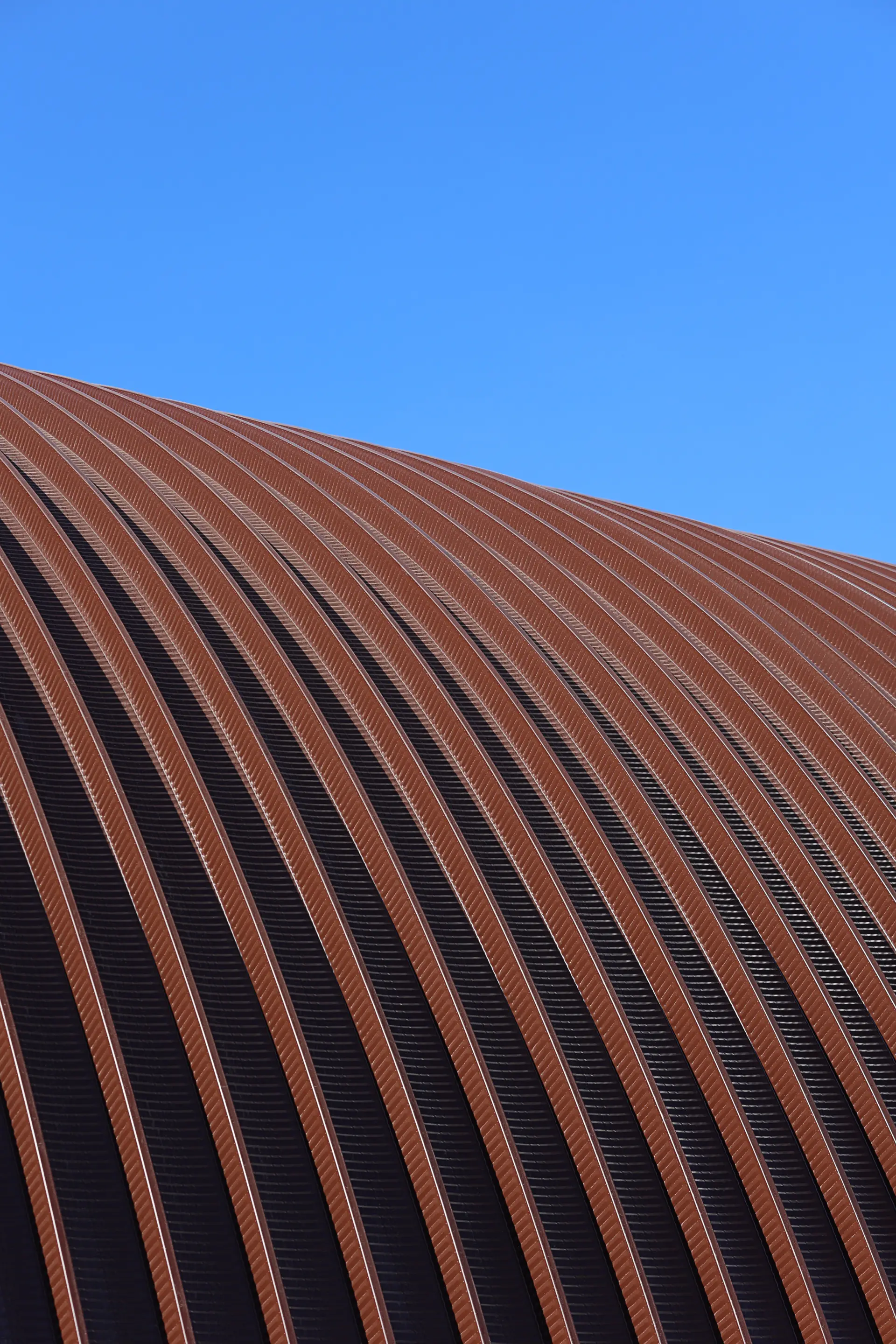
Tectonic storytelling continues at small scales. Finely perforated copper screens double as venting zones for plant rooms. Batten-seam accents pick out ridges, valley lines, and eyebrow details above entrances. Patina control is now a design tool: pre-oxidised greens announce civic identity; darker browns recede on private dwellings; natural mill finish invites a narrative of change.
Finally, think of the roof as public space. Copper-clad canopies stitch entrances to pavements; rooftop pavilions provide shade and elevated views; sliding shutters temper wind on terraces. In each case the roof becomes usable architecture - durable, tactile, and expressive - where the choreography of seams, shadows, and water movement animates the everyday experience of the building. These strategies elevate roofs from background to foreground.
Copper Roofing for Commercial and Residential Buildings
Copper adapts elegantly to both commercial and residential programs. For workplaces, education, and cultural venues, long spans and rigorous detailing deliver low life-cycle costs, strong fire performance, and dignified civic presence. Pre-patinated finishes give immediate consistency across large roofscapes, simplifying brand and campus coherence.
In housing, the story is intimacy. Compact standing seams scale gracefully to cottages, townhouses, and garden rooms, while warm hues soften contemporary volumes in suburban contexts. Low maintenance suits busy households; recyclability suits conscientious ones.
Mixed-use schemes combine both logics: durable cover for retail podiums below, finer-grained accents for penthouse terraces above. Across building types, copper’s durability, weather resistance, and evolving beauty create confident silhouettes that age with character rather than decay in demanding coastal climates.
LGet in touch with Riverside Metal Roofing for expert copper roofing services in London. From new installations to detailed repairs, our specialists deliver reliable and long-lasting results. Contact us today to discuss your project.